The Illuminated Envelope: Architectural Integration of Exterior Lighting
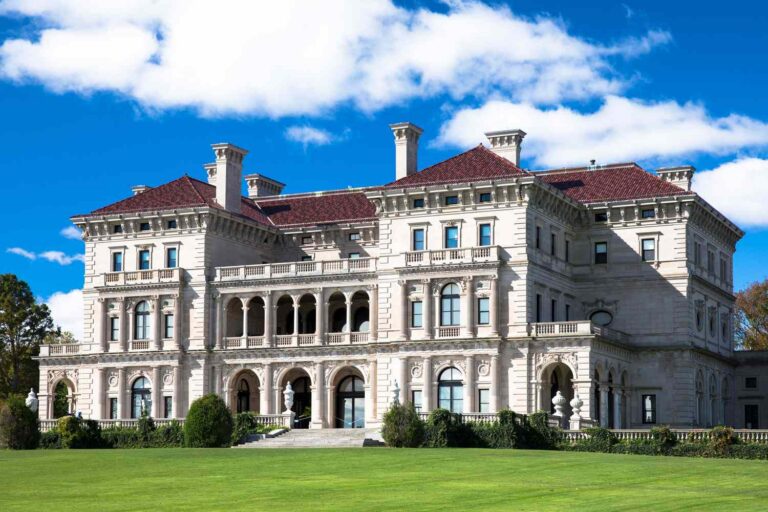
Facade lighting ideas the transition from daylight to dusk fundamentally alters the perception of the built environment. When the sun retreats, the building facade loses its primary visual cue, leaving architects and lighting designers with a canvas that can either disappear into the urban void or be articulated through careful, intentional illumination. Exterior lighting is not a superficial layer of decoration; it is an extension of the building’s identity, capable of reinforcing structural geometry, establishing a nocturnal presence, or—when poorly executed—contributing to visual clutter and light pollution.
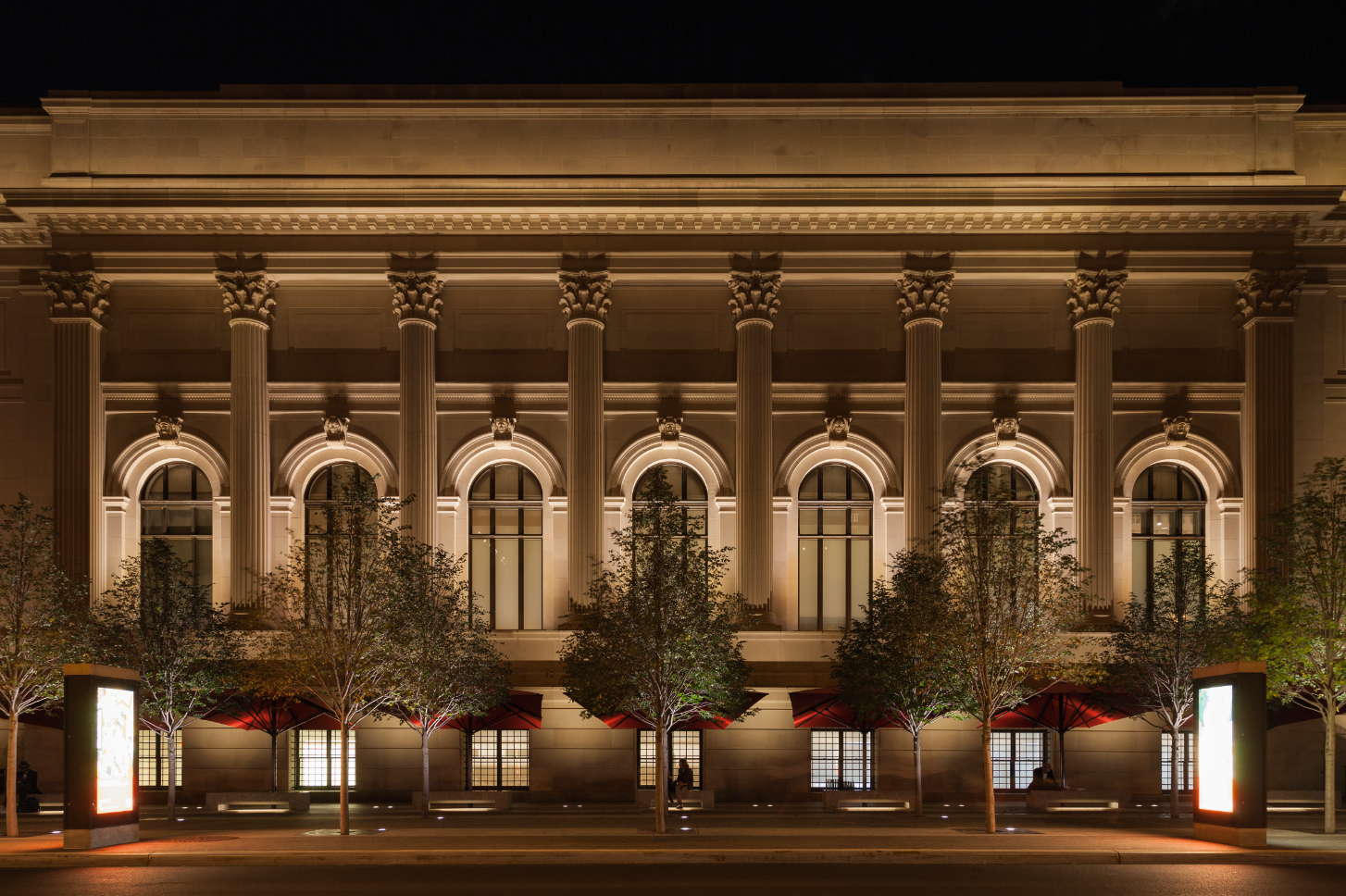
True architectural illumination requires a delicate equilibrium between luminance and shadow. If a facade is washed in uniform, flat brightness, the result is a loss of depth and tectonic legibility. Conversely, extreme contrast can create harsh, disorienting environments. The challenge lies in understanding the materials of the envelope—their reflectance, texture, and depth—and applying a light strategy that respects the original intent of the structure while enhancing its nocturnal legibility. It is an exercise in restraint, where the most compelling effects are often achieved by what is left in the dark rather than what is explicitly highlighted.
Moving beyond mere visibility, the integration of light into the building skin necessitates a mastery of building physics, electrical distribution, and optical control. This article examines the systemic challenges of external illumination, providing a rigorous technical framework for those responsible for the long-term stewardship of architectural lighting assets.
Understanding “facade lighting ideas”
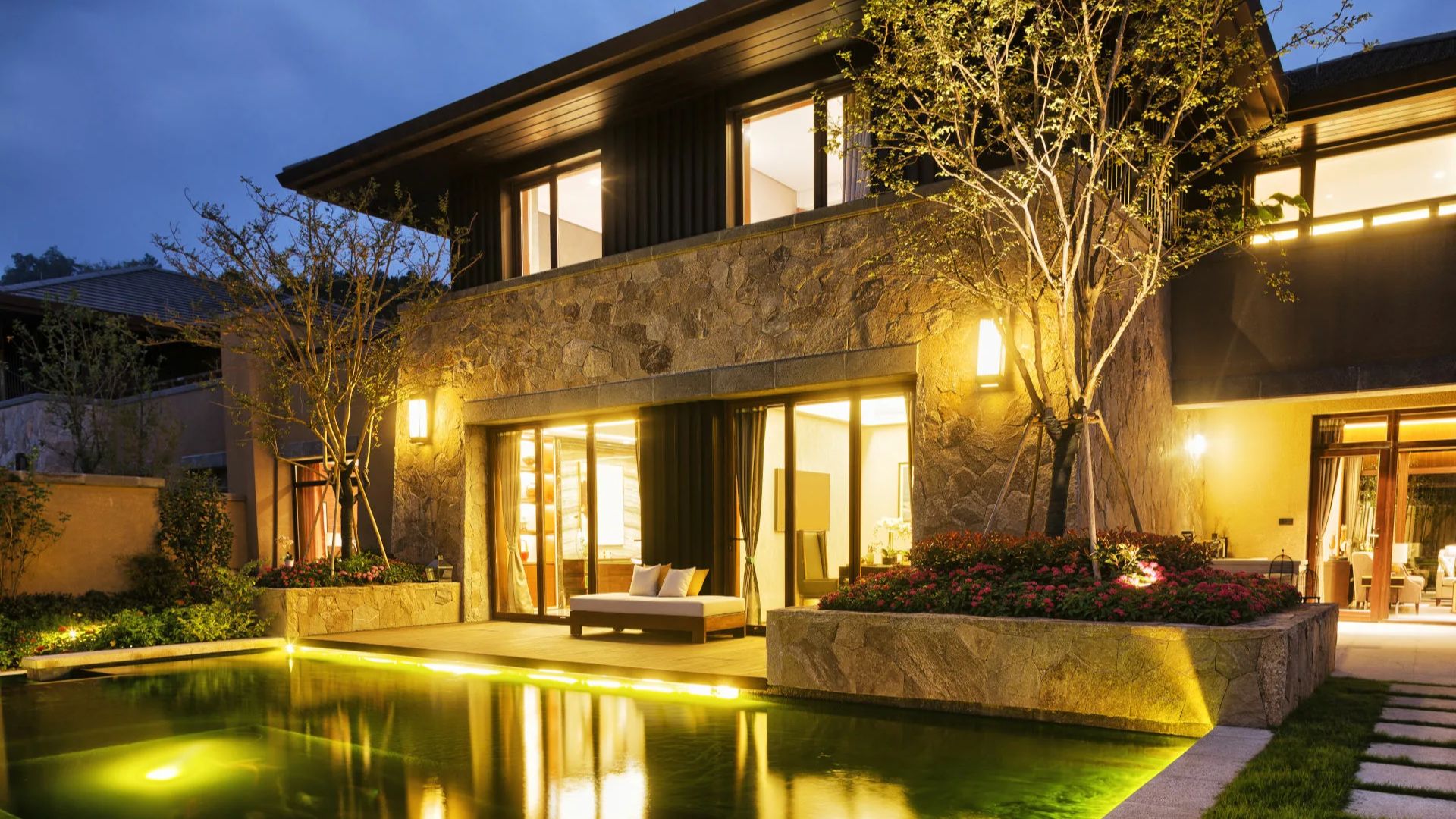
The search for effective facade lighting ideas often begins with a desire for visual drama, but it should conclude with a focus on structural and environmental performance. Many designers view lighting as an overlay—a set of fixtures attached to the building after construction is complete. This approach is prone to failure, as it ignores the necessary coordination between the luminaire and the building’s structural and thermal details.
A common misunderstanding is the belief that high-output fixtures are the answer to architectural definition. In practice, excessive lumen density often destroys the subtlety of the building’s materials, bleaching out textures and creating glare. True facade lighting ideas emphasize the quality of light—its color temperature, its beam spread, and its angle of incidence—over raw intensity. When we discuss facade lighting ideas, we are fundamentally talking about how to reveal the architecture using light as a precise, surgical tool. Oversimplification here is dangerous; failing to consider the impact of light spill on neighboring properties or the disruption of local ecology can turn an ambitious aesthetic project into a significant civic liability.
The Evolution of Nocturnal Architecture
Facade lighting ideas historically, exterior lighting was utilitarian, focused on safety and security. With the advent of modern lamp technologies, architecture began to use light as a medium to express volume at night. The transition from high-intensity discharge lamps to the precision of light-emitting diodes (LEDs) has revolutionized our approach. We have moved from broad, indiscriminate washes to pixel-mapped, controllable systems that can change intensity and color in response to occupancy or temporal cues. However, this technical leap has also introduced complexity in control systems, maintenance protocols, and the need for robust environmental integration.
Conceptual Frameworks for Exterior Luminance Facade Lighting Ideas
Navigating the design of light requires specific mental models that bridge the gap between creative vision and engineering reality:
-
The Silhouette Model: Focusing on the outline of the building rather than the face itself, which preserves darkness and reduces light pollution while creating a sharp, recognizable graphic presence.
-
The Tectonic Reveal: Using light to emphasize the structural rhythm of the facade—columns, fins, or recesses—by creating a gradient of shadow that follows the building’s internal logic.
-
The Material Surface Response: A framework that dictates luminaire placement based on the reflectance values (LRV) of the facade materials, ensuring that light is absorbed or reflected in a way that creates natural-looking textures.
Taxonomy of Illumination Systems
Selecting the right system requires an assessment of both performance and aesthetic goals.
When evaluating facade lighting ideas for a new project, the decision logic should prioritize systems that offer high field-adjustability. Lighting design is often finalized during commissioning, and fixtures that allow for precise aim and beam modification provide the necessary flexibility to adapt to the specific site conditions.
Strategic Scenarios and Decision Logic Facade Lighting Ideas
-
Scenario: Historic Masonry Restoration. Constraints include preserving the substrate and minimizing mechanical attachments. Decision Point: Concealed ground-mounted floodlights placed at a distance from the wall to create a soft, even graze that emphasizes the patina of the stone without drilling into the historic envelope.
-
Scenario: High-Rise Glass Tower. Constraints include high wind loads and restricted access. Decision Point: Interior-mounted, perimeter-recessed light bars that cast a soft glow onto the interior mullions, avoiding the need for high-maintenance exterior access equipment.
Resource Dynamics and Lifecycle Costs
The budget for exterior lighting is frequently underestimated, largely due to the failure to account for long-term operational costs.
-
Initial Capital Expenditure: Hardware, custom brackets, cabling, and control systems.
-
Indirect Costs: Specialized access equipment (lift rentals, rope access for future maintenance), power distribution, and the energy footprint of the system.
-
Variability: Projects with complex, dynamic controls often experience higher long-term maintenance costs due to software updates and driver failure.
The Risk Landscape: Failures and Compounding Issues
Lighting failure is rarely limited to a single lamp going out. It manifests as a degradation of the architectural intent. Common failure modes include:
-
Aiming Drift: Fixtures loosen over time, destroying the carefully curated shadows and causing unwanted light spill.
-
Control Mismatch: A mismatch between the dimming protocol and the driver causes visible flickering, particularly at low light levels.
Governance, Maintenance, and Adaptive Systems Facade Lighting Ideas
Proactive maintenance is the cornerstone of a functional lighting asset. Facade lighting ideas should only be implemented if there is a corresponding maintenance plan. This includes:
-
Scheduled Re-aiming: Annual inspections to ensure fixtures have not moved due to wind or structural thermal movement.
-
Driver Lifecycle Management: Establishing a replacement protocol for electronic components, which often fail before the LED source itself.
-
Energy Review: Quarterly monitoring of control schedules to ensure the building is not being illuminated during periods of zero occupancy or public impact.
Metrics for Performance and Quality Evaluation
Evaluating whether a set of facade lighting ideas has succeeded requires a combination of objective and subjective metrics:
-
Quantitative: Measured luminance levels (cd/m²) compared against initial design projections, and energy usage compared against the building’s overall power budget.
-
Qualitative: “Night walks” conducted from multiple vantage points to assess glare, light spill, and the preservation of shadows.
-
Documentation: Keeping a comprehensive log of the final aiming angles and photometric settings for every fixture. This “as-built” data is essential for restoring the design intent after a component replacement.
Dissecting Common Lighting Fallacies Facade Lighting Ideas
-
Myth: “Lighting can mask a poor facade.” Correction: Poor architecture at night is usually highlighted by poor lighting, not hidden by it.
-
Myth: “More light equals more safety.” Correction: Excessive brightness creates deep shadows that provide cover for concealment, and harsh glare actually reduces night-time visibility.
In conclusion, successful external lighting is a discipline of subtraction. It requires a deep understanding of architectural intent and a rigorous commitment to technical detail.