The Tectonic Skin: A Comprehensive Treatise on Exterior Cladding Systems
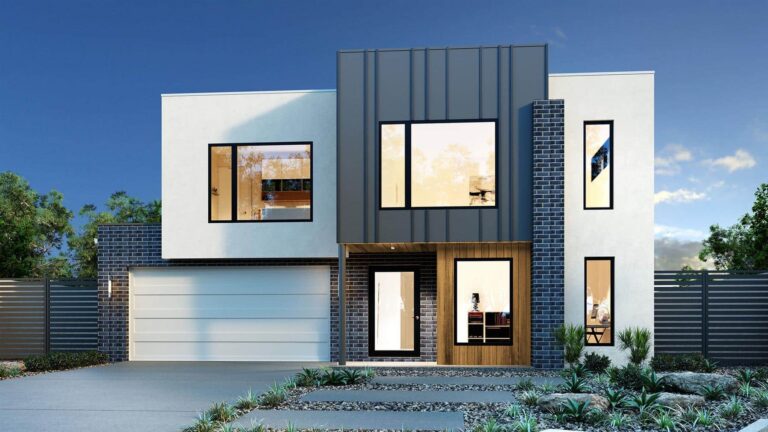
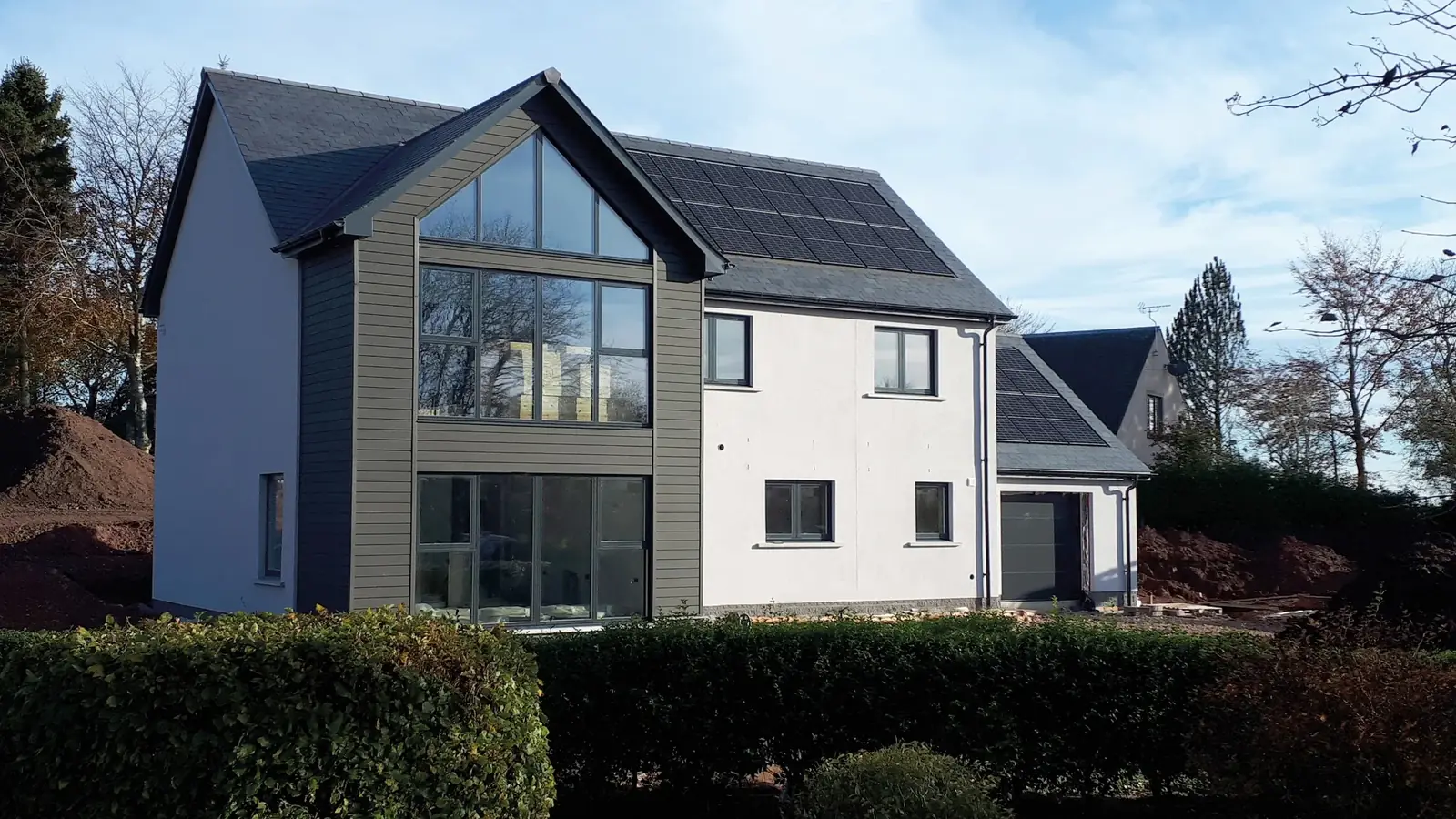
Exterior cladding guide the building facade is the most exposed element of the structural organism, serving as the primary barrier against atmospheric volatility. While often misconstrued as a purely decorative finish, the cladding system acts as the first line of defense for the moisture-management strategy and thermal performance of the entire building envelope. When properly engineered, it provides durability, aesthetic articulation, and long-term asset value; when neglected, it becomes the primary locus for building degradation, rot, and catastrophic performance failure.
This analysis moves beyond the prescriptive surface-level advice often found in construction literature, focusing instead on the systemic interdependencies that define high-performance cladding. By examining the envelope through the lens of physics and long-term stewardship, we can establish a framework for selecting, detailing, and maintaining systems that meet the rigorous requirements of modern construction.
Understanding “exterior cladding guide”
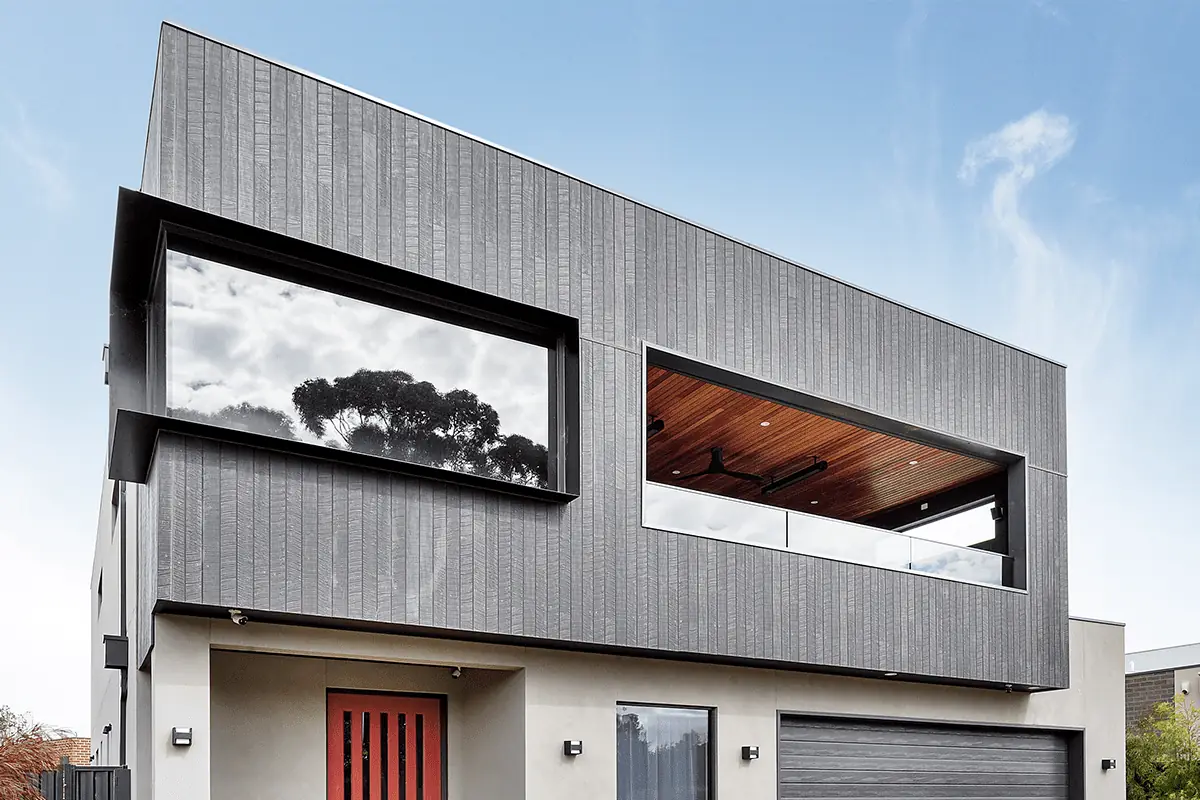
Consulting a rigorous exterior cladding guide requires a fundamental shift in perspective: one must stop viewing the cladding as the wall itself and begin viewing it as the “sacrificial” outer layer of a complex assembly. A common misunderstanding in the industry is the belief that cladding provides the primary air or water barrier. In high-performance architecture, the cladding is part of a rainscreen system—a secondary defense that manages wind-driven rain and sunlight, while the drainage plane behind it performs the heavy lifting of moisture management.
The risk of oversimplification is profound. When a designer relies on a manufacturer’s marketing copy as a comprehensive exterior cladding guide, they often overlook the critical importance of the support substrate, the movement capacity of the connections, and the chemical compatibility of the sealants. A robust understanding of the system requires acknowledging the interplay between the facade materials and the building’s structural frame. Every cladding choice, from heavy masonry units to lightweight metal panels, dictates the structural requirements, the thermal bridging strategy, and the long-term maintenance burden of the asset.
The Systemic Evolution of the Building Skin
Exterior cladding guide the historical trajectory of cladding has moved from load-bearing mass, where the wall and the structure were one and the same, to modern, decoupled systems that separate the finish from the frame. This evolution allowed for the thin-walled, transparent architecture of the 20th century but introduced significant challenges regarding moisture infiltration and energy efficiency. We now operate in an era where the cladding is expected to perform functions formerly reserved for mechanical systems—mitigating heat gain, managing acoustic transfer, and maintaining a stable indoor environment despite increasingly erratic external weather patterns.
Conceptual Frameworks for Enclosure Performance Exterior Cladding Guide
To navigate the complexity of the building skin, one must employ several key mental models:
-
The Rainscreen Principle: The most critical framework, which separates the cladding (the rain screen) from the primary water-resistant barrier (WRB), creating an air gap that allows for pressure equalization and moisture evaporation.
-
Thermal Bridge Mitigation: This model forces the designer to track the path of heat through every clip, fastener, and support bracket, ensuring that the “continuous insulation” (CI) requirement of modern energy codes is actually met in practice.
-
Differential Movement Capacity: A framework that acknowledges that all materials—steel, concrete, wood, and stone—expand and contract at different rates. The design must accommodate this “movement delta” to prevent warping, cracking, or catastrophic seal failure.
System Taxonomies and Performance Trade-offs
The selection of a cladding system is a multi-dimensional optimization problem. The following table highlights the comparative performance of common systems:
Decision logic in real-world application should prioritize systems with high “failure tolerance”—meaning the system can be repaired or replaced locally without needing to dismantle the entire facade.
Decision Logic in Complex Real-World Scenarios
-
Scenario: High-Humidity Coastal Environment. The primary threat is saltwater corrosion and mold growth.
-
Scenario: Rapidly Changing Thermal Climate (High Delta-T). The facade must endure extreme daily temperature swings. Decision Point: Use a rainscreen system with mechanical fixings rather than adhesive systems, allowing for independent movement of individual panels to prevent surface stress.
Economic Dynamics of Cladding Selection Exterior Cladding Guide
Cladding is often the most significant line item in the exterior budget, yet total ownership costs are rarely calculated correctly.
-
Direct Costs: Material procurement, panel fabrication, and field installation.
-
Indirect Costs: Site staging, crane time, safety scaffolding, and custom flashing details.
-
Lifecycle Costs: Future cleaning, sealant replacement, and the inevitable cost of structural remediation if water management systems fail.
Budget planning should include a “contingency for complexity”—a premium added to the installation budget specifically for the detailing of corners, parapets, and window heads, where 90% of failures originate.
Analytical Tools and Support Systems
Advanced design for the exterior envelope now requires more than intuition:
-
Thermographic Modeling: To visualize cold spots and thermal short circuits before construction.
-
WUFI Analysis: Used to simulate long-term hygrothermal performance, accounting for local climate data to predict potential mold or rot inside the wall cavity.
-
Full-Scale Mock-up Testing: The only truly reliable way to validate a design (ASTM E1105) by subjecting it to simulated extreme weather, ensuring the system performs as expected before widespread installation.
Taxonomy of Failure Modes and Risk Management Exterior Cladding Guide
Failure is almost always cumulative, not sudden. It begins with “seepage” that remains invisible until the substrate has reached a critical moisture content. Common risks include:
-
Fastener Fatigue: Using carbon steel in contact with aluminum, leading to galvanic corrosion.
-
Sealant Overshoot: The use of incompatible, low-grade sealants that lose elasticity in extreme temperatures.
Governance, Maintenance, and Lifecycle Stewardship
The maintenance plan should be written at the design stage. An exterior cladding guide is fundamentally a document of stewardship.
-
Periodic Inspection: A documented, biennial inspection cycle of all sealant joints, weep holes, and panel fixings.
-
Adjustment Triggers: Pre-defined threshold levels for panel movement or fastener degradation that mandate immediate repair.
-
Documentation: A comprehensive “Building Envelope Passport” that includes material specifications, serial numbers of all components, and the original detailing schematics for reference during future repairs.
Metrics for Quantitative and Qualitative Success Exterior Cladding Guide
-
Leading Indicators: Low failure rates in mock-up testing, correct air barrier continuity reports, and accurate material compatibility certifications.
-
Lagging Indicators: Zero moisture ingress reports over five years, energy performance alignment with the original building model, and minimal surface weathering of the cladding panels.
Dissecting Common Cladding Fallacies
-
Myth: “All rainscreens are self-cleaning.” Correction: Even ventilated systems accumulate dust and organic growth in high-pollution areas, requiring scheduled maintenance.
-
Myth: “The finish is the primary waterproof layer.” Correction: Never rely on the decorative finish alone; the weather-resistant barrier (WRB) is the final, essential defense.
In synthesis, the building facade is a high-stakes engineering endeavor. By moving beyond aesthetic considerations and focusing on the underlying physics of moisture and heat, we create structures that endure. Every exterior cladding guide should emphasize that true quality lies in the detailing—in the subtle geometry of a flashing, the precise spacing of a fastener, and the long-term commitment to maintaining the integrity of the envelope.