The Resilient Skin: Engineering Coastal Facades in the United States
Top coastal facades in america the coastal environment in the United States presents a uniquely aggressive set of stressors for the built environment. Salt-laden air, high humidity, intense ultraviolet radiation, and the cyclical threat of hurricane-force wind and water loads combine to create an environment where the building enclosure is under constant, systemic attack. In this context, the facade is not merely a design feature; it is the primary line of defense upon which the structural health and interior climate control of a building depend.
Designing for these conditions requires a fundamental shift in perspective. Where inland architecture might prioritize thermal insulation and aesthetic openness, coastal construction must emphasize material compatibility, corrosion resistance, and rapid drainage. The failure of a facade component in a coastal setting is rarely an isolated incident; it is often the beginning of a cascading degradation process that can compromise the structural integrity of the entire assembly.
This analysis serves as an authoritative reference for the engineering and management of high-performance enclosures in marine environments. By dissecting the intersection of building physics, material science, and long-term maintenance, we establish a rigorous framework for understanding what constitutes high-value, resilient design in one of the most challenging climates on the planet.
Understanding “top coastal facades in america”
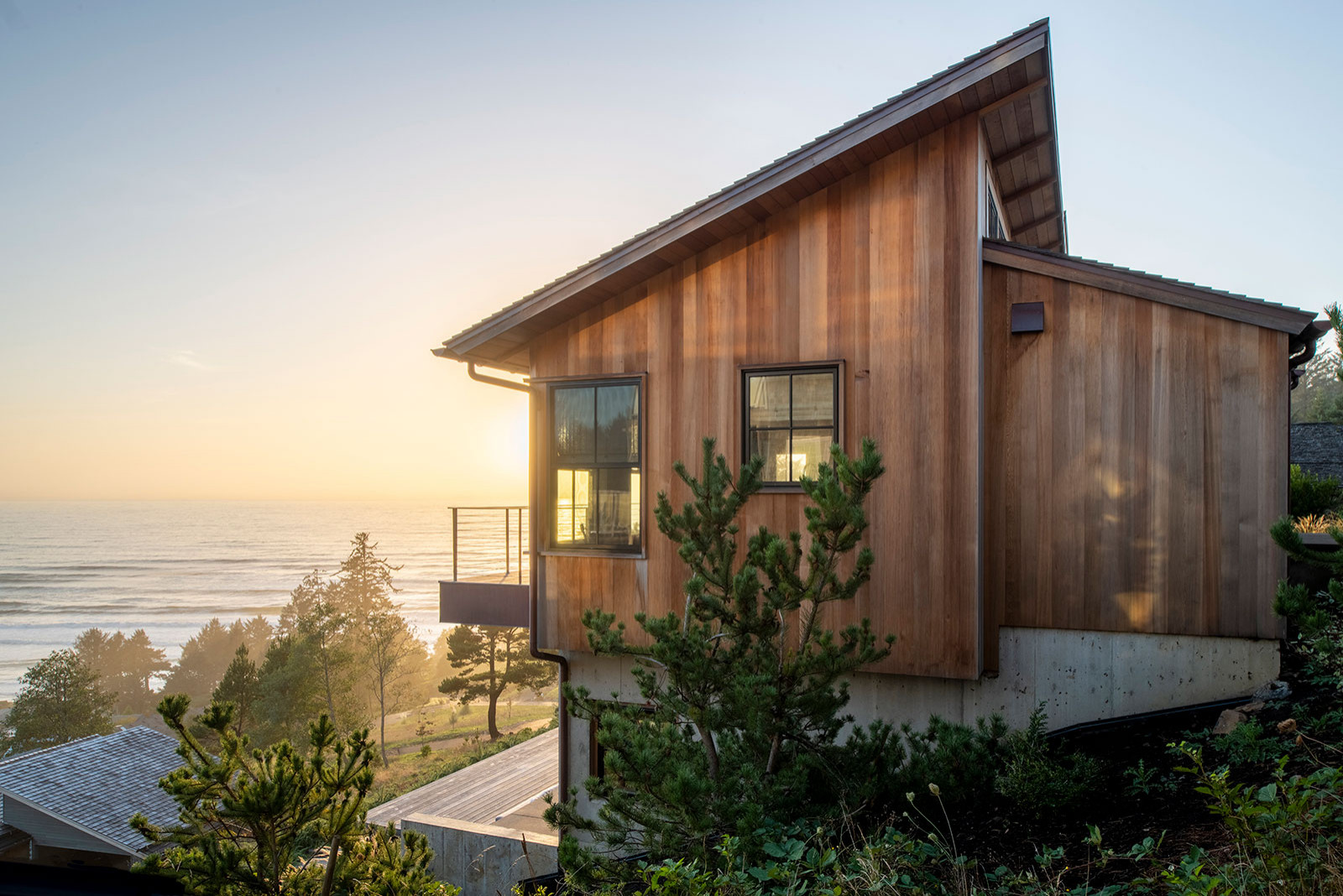
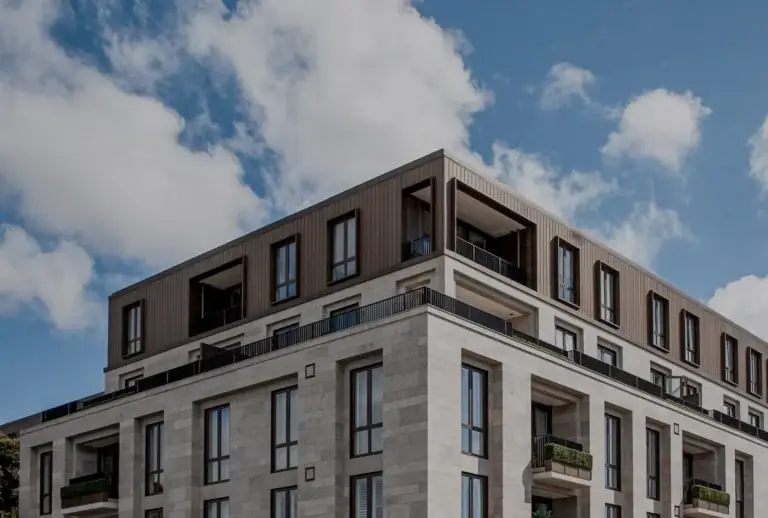
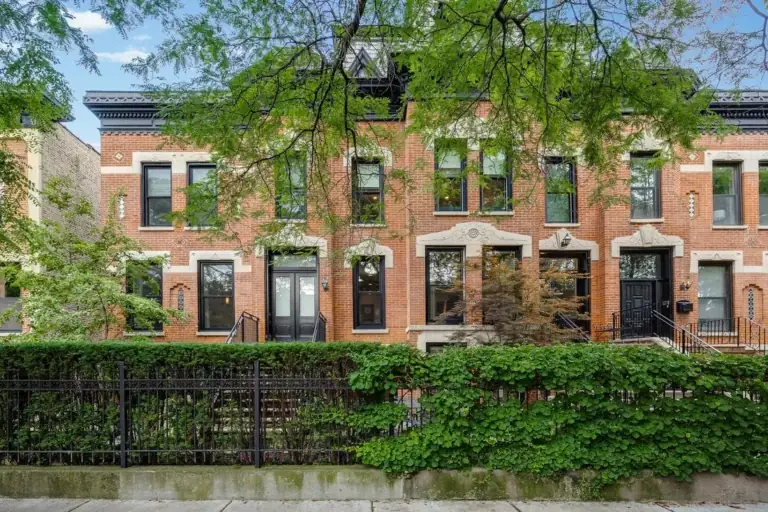
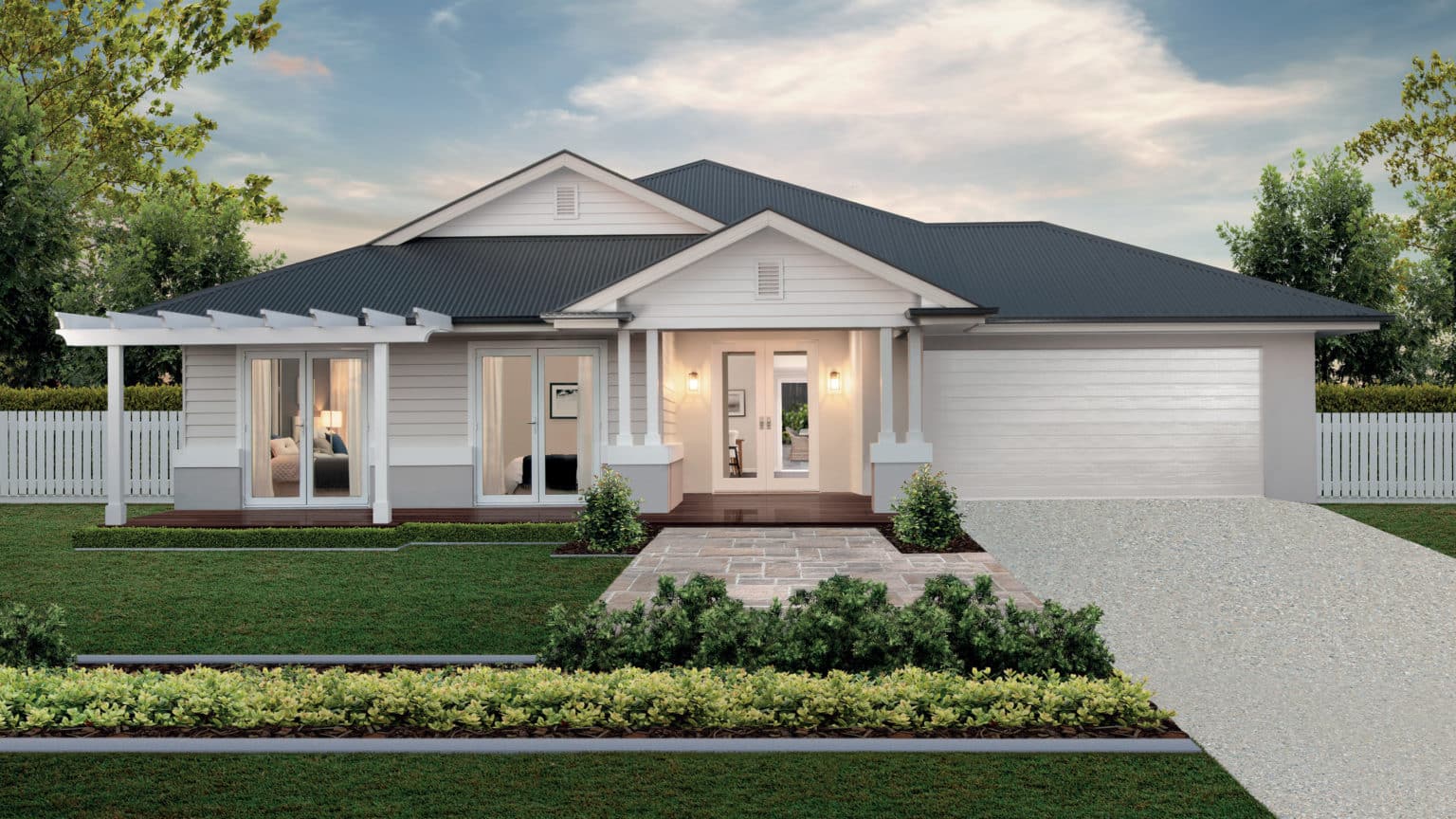
To categorize the top coastal facades in america requires moving away from the subjective lens of architectural style and toward an objective assessment of systemic performance. A facade that excels in a coastal context is defined by its capacity to mitigate the “triple threat” of chloride-induced corrosion, hydro-static pressure, and extreme wind loading. The term is often misused to refer to high-end residential glazing, but in a technical sense, the “top” systems are those that demonstrate superior durability and moisture management, regardless of their aesthetic expression.
Misunderstandings frequently occur when designers attempt to transplant urban facade systems into marine environments without compensating for the vastly different atmospheric chemistry. Oversimplification—specifically the belief that robust construction inherently equals corrosion resistance—leads to premature material failure.
Deep Contextual Background: The Evolution of Coastal Enclosure Science
Top coastal facades in america historically, coastal construction in the United States relied on the mass and durability of brick, stone, and heavy timber. As modern architectural trends shifted toward high-transparency glass and lightweight metal panels, the engineering requirements for these envelopes became significantly more demanding. The rapid development of high-performance coatings, such as fluoropolymer finishes, and the widespread adoption of impact-resistant laminated glazing have fundamentally altered the landscape of coastal architecture.
Over the last several decades, the industry has migrated from a reactive posture—repairing facades after storm damage—to a proactive, performance-based model. The focus has shifted from merely surviving a storm to maintaining an airtight and watertight envelope that preserves the building’s thermal efficiency and indoor air quality long after the weather events have subsided.
Conceptual Frameworks and Mental Models Top Coastal Facades In America
Professionals responsible for high-performance coastal envelopes often rely on these mental models:
-
The Evacuation-First Principle: This model posits that the facade is not a container, but a filter.
-
The Corrosion-Potential Map: This framework analyzes the compatibility of adjacent materials. For instance, the placement of stainless steel fasteners near aluminum framing in a salt-rich environment requires deliberate isolation to prevent galvanic corrosion.
Key Categories and Technical Variations
Coastal facade systems generally follow distinct performance archetypes, which vary by primary material and structural strategy.
Decision Logic: For projects near the immediate shoreline, a rain screen system that allows for continuous airflow behind the cladding is generally superior to a barrier wall. The ventilation allows any incidental moisture to evaporate, preventing the condensation cycles that typically lead to structural decay.
Real-World Scenarios and Failure Modes
-
Direct Windward Exposure: The primary risk is the “ballooning” effect, where wind pressure forces water past the gaskets of a curtain wall. The most successful designs incorporate pressure-equalized rain screens that neutralize these forces before they affect the air-water barrier.
-
Galvanic Corrosion at Connections: In many older structures, the failure of the facade is traced to the use of incompatible metals in the mounting brackets. Using marine-grade stainless steel hardware is a critical mitigation strategy that is often overlooked in value-engineered projects.
-
Sealant Embrittlement: Continuous high-intensity UV exposure in Florida and the Gulf Coast causes standard silicone sealants to lose their elasticity, leading to cracks. High-performance, UV-stable sealants are an essential investment for maintaining the integrity of the top coastal facades in america.
-
Foundation-to-Facade Transition: The interface where the facade meets the ground slab is prone to water pooling.
Planning, Cost, and Resource Dynamics Top Coastal Facades In America
The economic framework for coastal building is distinct because the risk of “failure costs” is exceptionally high.
-
Direct Costs: Higher prices for stainless steel (grade 316) fasteners, impact-rated glass, and specialized high-performance coatings.
-
Indirect Costs: Increased need for facade consultants and wind-load modeling.
-
Opportunity Cost: Investing in low-quality fasteners or coatings leads to failure in 5–7 years, where the cost of facade removal and re-installation is often 20–50% of the building’s total value.
Tools, Strategies, and Support Systems
-
Thermal and Air Barrier Modeling: Predicting how a system will react to pressure differentials before construction begins.
-
Drone-Based Thermal Imaging: Used to detect moisture ingress behind opaque facade panels without requiring destructive testing.
-
Marine-Grade Coating Specs: Rigorous adherence to AAMA standards for architectural finishes.
-
Integrated BIM (Building Information Modeling): Essential for identifying potential material incompatibilities in the 3D detailing phase.
-
Moisture Sensors: Small, unobtrusive devices installed in wall cavities to monitor for water build-up in real-time.
Risk Landscape and Compounding Failures Top Coastal Facades In America
The risk associated with coastal envelopes is rarely binary. Failure manifests as a “compounding decay”: a small seal failure allows salt-laden water into the cavity, which causes a local fastener to rust. As the fastener loses its structural capacity, the panel shifts, creating a wider gap, which in turn allows more water ingress. This process is silent and often hidden, making the facade appear perfectly intact while the structure behind it is actively deteriorating.
Governance, Maintenance, and Long-Term Adaptation
To maintain the high standards required by the top coastal facades in america, a proactive governance strategy is non-negotiable.
Layered Maintenance Checklist:
-
Seasonal Washdowns: Periodic fresh-water cleaning of the facade to prevent salt accumulation, which is the primary accelerator of corrosion.
-
Sealant Replacement Cycles: Adhering to a firm 10-year replacement cycle for all primary silicone joints, regardless of their apparent condition.
-
Structural Audits: Professional inspection of connection points every three years, particularly after significant storm seasons.
-
Documentation: Maintaining an “Envelope Passport”—a digital file tracking every material used, every repair performed, and the inspection history for every elevation.
Measurement, Tracking, and Evaluation Top Coastal Facades In America
Evaluating the efficacy of a coastal envelope requires looking past the visual surface to the performance of the underlying systems.
-
Leading Indicators: Installation of standardized, compatible alloys and air-barrier continuity reports from construction-phase testing.
-
Lagging Indicators: Energy Use Intensity (EUI) as a proxy for thermal performance, and the frequency of reported leak incidents.
Common Misconceptions and Oversimplifications
-
Myth: Anodized aluminum is always corrosion-proof. Correction: Anodizing is a finish, not an alloy; in heavy salt environments, even anodized surfaces require regular maintenance.
-
Myth: “Hurricane-rated” means the facade is maintenance-free. Correction: Impact ratings measure resistance to a single event, not the daily wear and tear of a saline environment.
-
Myth: If you don’t see water inside, the envelope is performing well. Correction: Water may be accumulating in the wall cavity without showing interior signs until significant structural damage has already occurred.
-
Myth: Aesthetics are independent of coastal durability. Correction: Simple geometries generally perform better; complex, multi-faceted facades provide more opportunities for water collection and salt buildup.
Conclusion Top Coastal Facades In America
The endeavor to define and construct the top coastal facades in america underscores a fundamental shift in building philosophy. Architecture in marine environments is moving away from the era of decorative, static walls toward the era of integrated, adaptive, and maintainable skins. The systems that define the future of American coastal architecture are those that prioritize resilience, material compatibility, and a commitment to long-term governance. By adopting rigorous, science-based mental models, professionals can ensure that the envelopes they design remain performative, safe, and valuable for the generations of occupants that will inhabit them, regardless of the challenges posed by their coastal setting.