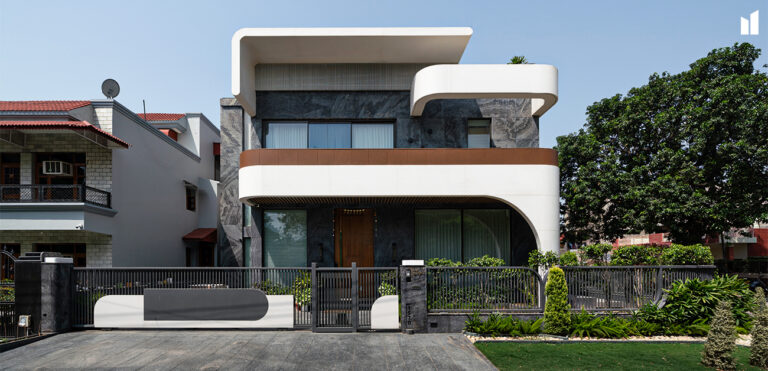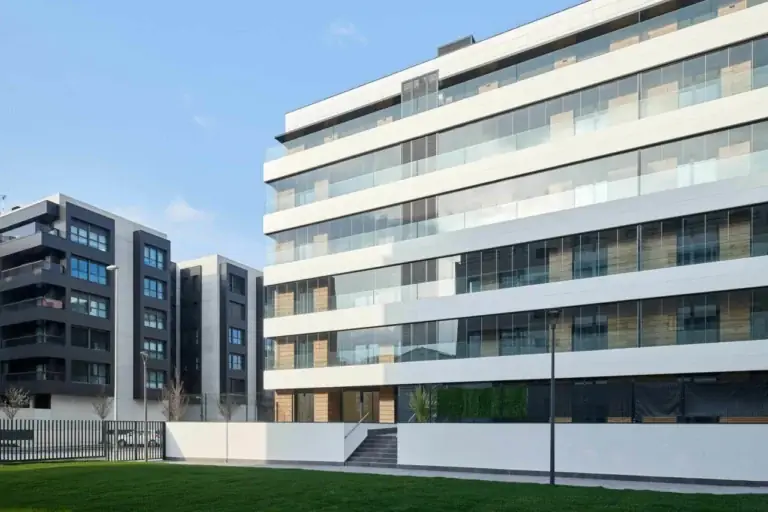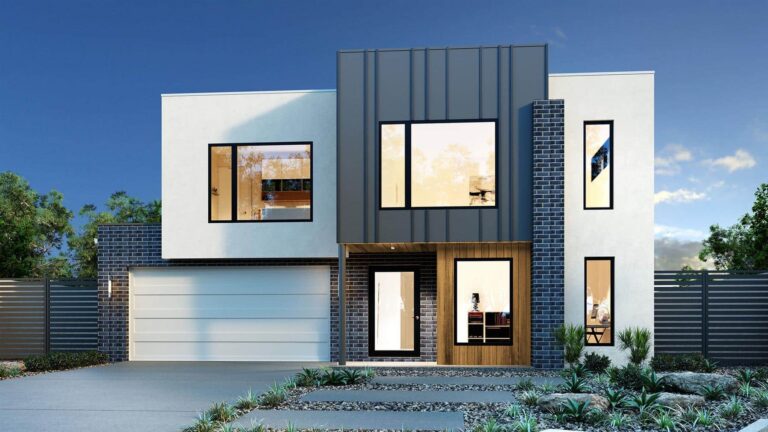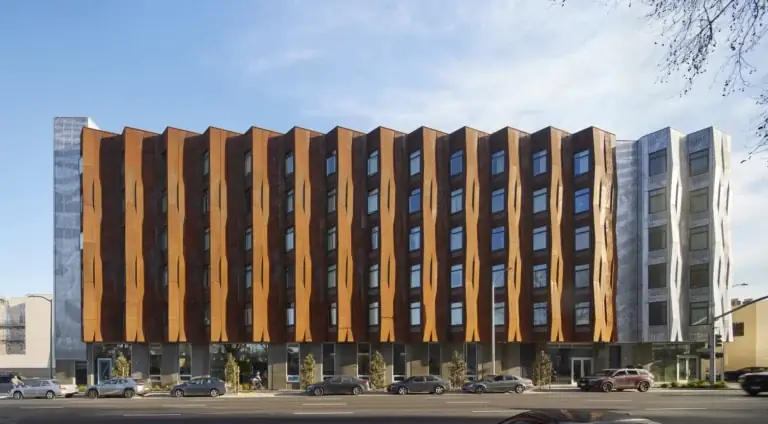
The Architectural Envelope: A Comprehensive Analysis of Facade Systems in the United States
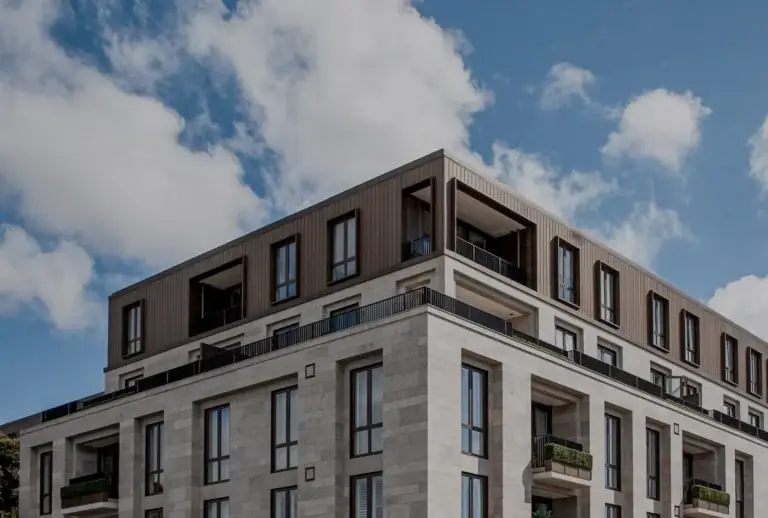
Best modern facade united states the American skyline is not merely a collection of structures; it is a continuously evolving laboratory of environmental, social, and structural engineering. At the interface of this evolution sits the building facade—the primary mediator between the unpredictable chaos of the exterior climate and the delicate requirements of the interior environment. Moving far beyond its historical role as a decorative boundary, the modern facade serves as a high-performance skin that manages thermal regulation, acoustic isolation, moisture control, and structural stability.
As urban density increases and environmental mandates become more rigorous, the design of these enclosures has shifted from static, monolithic walls to sophisticated, multi-layered systems. Achieving excellence in this domain requires a departure from purely aesthetic considerations toward a deep, analytical understanding of building science. A building’s longevity and performance are determined less by the materials on its surface and more by the precision of the systems behind them—the seals, joints, and transitions that ultimately define the success of the installation.
This analysis provides a structured examination of the current state of enclosure engineering. By moving through the historical progression, current conceptual models, and the reality of maintenance governance, we establish a framework for understanding what constitutes high-value, durable, and resilient enclosure design in the contemporary American landscape.
Understanding “best modern facade united states”
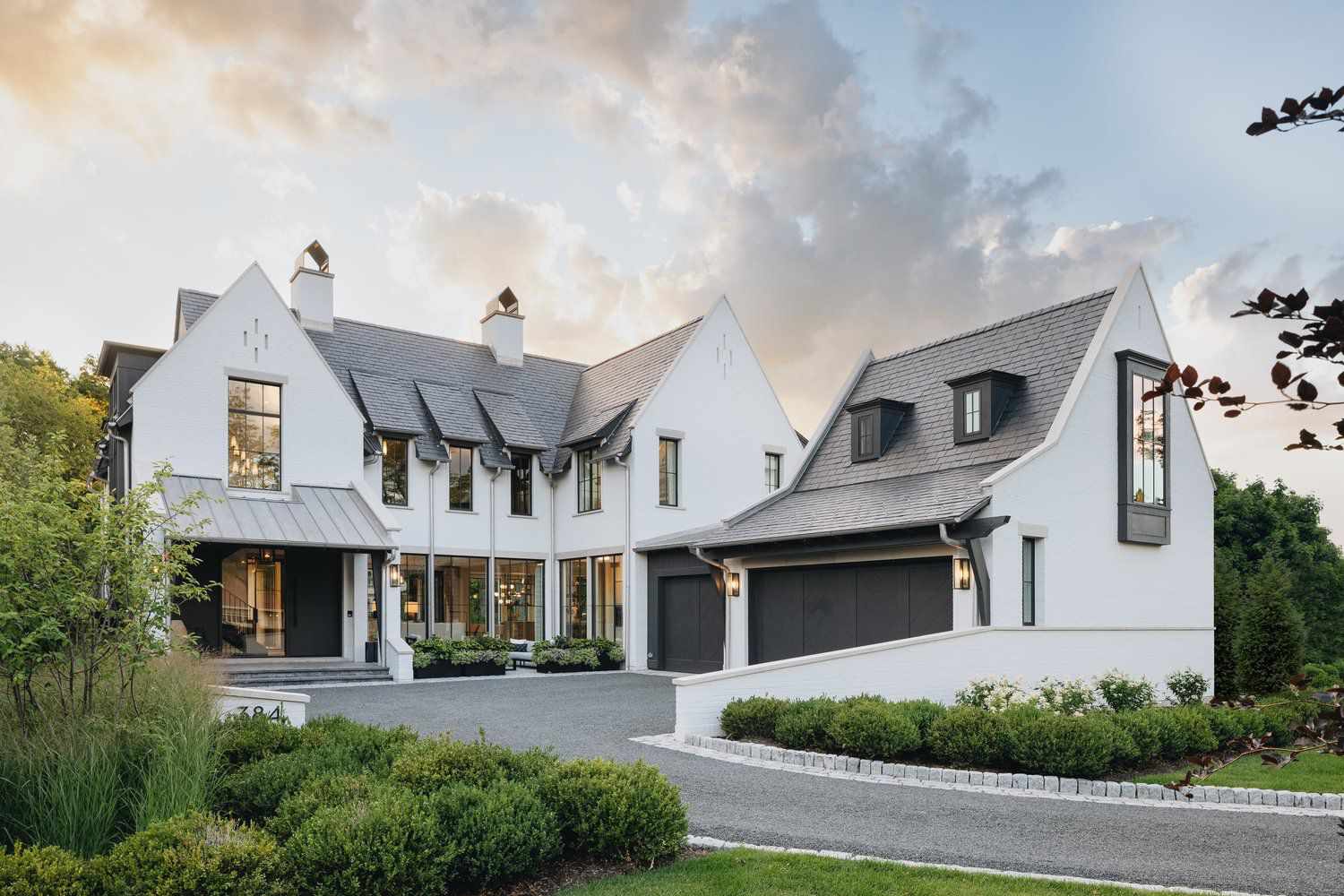
The designation of the best modern facade united states is frequently subject to misinterpretation. In professional practice, the term does not refer to a static ranking of buildings by visual beauty, but rather to the technical capability of a system to solve the unique environmental and structural challenges of a specific site. A facade that achieves optimal performance in a temperate, arid region may become an operational liability in a high-humidity, hurricane-prone coastal zone.
The common tendency to oversimplify these systems—viewing them as “walls” rather than “integrated assemblies”—leads to significant risks in both design and long-term asset management. The best systems are those that demonstrate high levels of thermal bridging mitigation, air barrier continuity, and moisture management. They are designed as cohesive, multi-layered entities where the integration of metals, membranes, sealants, and fixings is engineered for the long term, rather than being treated as a series of isolated components.
Deep Contextual Background: The Evolution of the American Skin
Best modern facade united states the transition of the American building envelope mirrors the history of industrialization itself. In the mid-20th century, the envelope was often treated as an aesthetic shell, subordinated to the mechanical systems that were expected to overcome any thermal inefficiencies. The energy crises of the 1970s served as a critical inflection point, forcing architects and engineers to reconsider the facade as a primary performance layer.
Since that era, the industry has moved through several distinct phases: the standardization of insulated glazing units (IGUs), the implementation of continuous insulation requirements, and the recent focus on airtight construction and carbon-sequestering materials. Modern codes have shifted from “prescriptive” benchmarks—where merely following a checklist sufficed—to “performance-based” metrics that demand rigorous, measured outcomes in thermal resistance and air infiltration.
Conceptual Frameworks for Enclosure Design Best Modern Facade United States
To analyze facade systems effectively, professionals employ several mental models that prioritize functional resilience over subjective trends:
-
The Membrane-System Model: Views the facade as a semi-permeable filter. It must resist external water and wind while allowing the building to “breathe” in a controlled manner to manage internal vapor pressure.
-
The Movement-Accommodation Model: Acknowledges that all buildings move due to thermal expansion, wind loading, and settlement. A high-quality facade must be designed with engineered joints that accommodate these shifts without overstressing seals or fixings.
-
The Lifecycle-Value Framework: Prioritizes the total cost of ownership over initial capital expenditure. This involves selecting materials and detailing that facilitate easier access for inspection, cleaning, and eventual component replacement.
Categories and Technical Variations
Modern facade variations represent a spectrum of complexity, each with specific trade-offs regarding cost, buildability, and long-term performance.
Decision Logic: The selection process requires weighing these factors against regional climate stressors. For instance, in regions with high freeze-thaw cycles, a rain screen system that allows for ventilation and rapid drying of the cavity is often superior to a rigid, sealed barrier system.
Real-World Scenarios and Failure Modes Best Modern Facade United States
-
Coastal Wind Loading: In hurricane-prone regions, the facade must be tested for cyclic load resistance. A failure often occurs at the connection point rather than the material itself, emphasizing the need for robust, impact-rated fastening systems.
-
Thermal Bridge Mitigation in Urban Infill: In densely populated, cold-climate cities, the intersection of the facade with the floor slab is a notorious weak point. High-performance projects now utilize thermally broken brackets to prevent heat loss and indoor condensation.
-
Moisture Management in Humid Climates: Buildings in the Southeast face constant vapor drive from the exterior. Here, the systems utilize permeable air barriers and advanced flashing to ensure that any water that penetrates the primary layer is effectively evacuated.
Planning, Cost, and Resource Dynamics
The economic reality of high-performance envelopes is governed by the principle of “front-loading” effort. Spending more during the design and prefabrication phase consistently reduces the life-cycle maintenance costs that plague inferior systems.
-
Direct Costs: Materials, fabrication, and installation labor.
-
Indirect Costs: Engineering fees for performance testing, specialized facade consultants, and potential remedial costs during construction.
-
Opportunity Cost: Choosing a cheaper, unproven material sequence often leads to early seal failures, which can cost up to ten times the original savings in reactive remediation.
Tools, Strategies, and Support Systems Best Modern Facade United States
The successful delivery of a facade project relies on a consolidated toolset:
-
Digital Twins/BIM: Used for clash detection between the envelope and structural frame.
-
Performance Mock-ups: Physical, full-scale testing of facade sections against wind and water pressure.
-
Maintenance Units (BMUs): Integrated systems for safe, routine access to the facade surface.
-
Cloud-Based CMMS: Platforms for tracking the history of repairs and inspection cycles across a property portfolio.
-
IoT Sensors: Emerging tools for real-time monitoring of moisture levels within the wall cavity.
Risk Landscape and Failure Modes
Facade risk is inherently compounding. A minor defect in a sealant joint does not exist in isolation; it allows for water ingress, which accelerates the degradation of internal insulation, promotes the growth of mold, and causes the corrosion of structural steel fixings. This “failure cascade” is the primary reason why independent defect audits consistently identify waterproofing and joint detailing as the highest-risk areas in modern envelope engineering.
Governance, Maintenance, and Long-Term Adaptation Best Modern Facade United States
A facade is a living system that requires an active governance strategy. Maintenance should be proactive, not reactive, and structured around seasonal triggers rather than wait-and-see cycles.
The Layered Maintenance Checklist:
-
Annual Visual Survey: Drone-assisted inspection to identify cracked sealant or displaced flashings.
-
Biannual Thermal Imaging: Identifying “cold spots” that indicate air leakage or IGU seal failures.
-
Fastener Integrity Audits: Ensuring that structural connections remain within their design tolerances.
-
Emergency Protocol: Established procedures for responding to immediate hazards like debris or impact damage.
Measurement, Tracking, and Evaluation
Evaluating the success of a facade system requires both leading and lagging indicators.
-
Leading Indicators: Installation tolerance logs, air-barrier test results, and material certification reports.
-
Lagging Indicators: Energy Use Intensity (EUI) trends over five years, recurring sealant replacement frequency, and qualitative occupant comfort surveys.
-
Documentation Examples: Maintaining a “Digital Envelope Passport” that records every maintenance intervention, material substitution, and repair history is essential for long-term value preservation.
Common Misconceptions and Oversimplifications Best Modern Facade United States
-
Myth: Modern envelopes require less maintenance than historic ones. Correction: While modern materials are more durable, their complexity means they require more specialized maintenance.
-
Myth: “High-performance” is just an expensive aesthetic. Correction: High-performance is a functional necessity for meeting current energy codes and ensuring occupant comfort.
-
Myth: Sealed systems are always better than ventilated ones.
Conclusion
The endeavor to define the best modern facade united states underscores a fundamental shift in building philosophy. Architecture is moving away from the era of the static, decorative wall toward the era of the integrated, adaptive skin. The systems that define the future of the American built environment are those that prioritize resilience, precision, and long-term maintainability over transient aesthetic trends. By adopting rigorous, science-based mental models, professionals can ensure that the envelopes they design remain performative, safe, and valuable for the generations of occupants that will inhabit them.