The Architectural Envelope: Engineering Excellence in Metallic Facade Systems
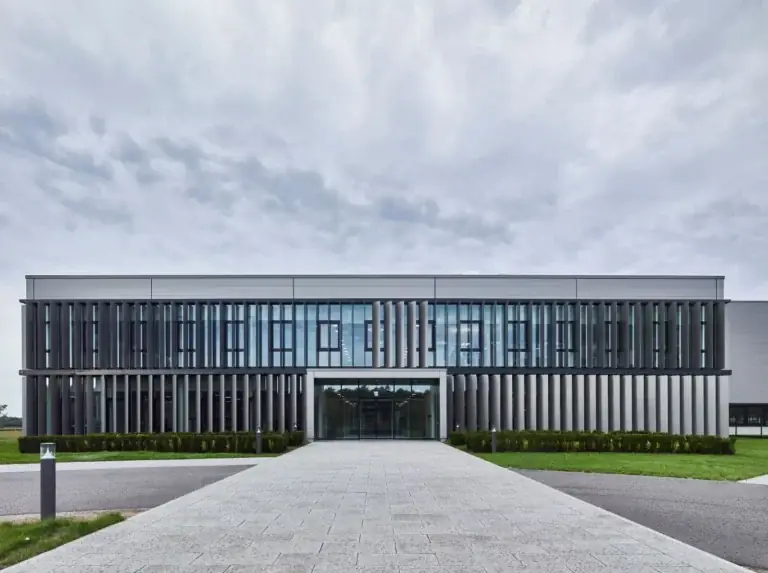
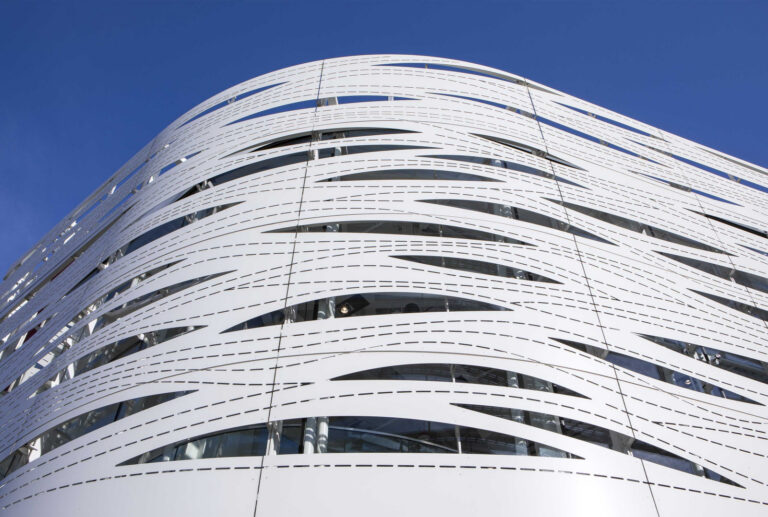
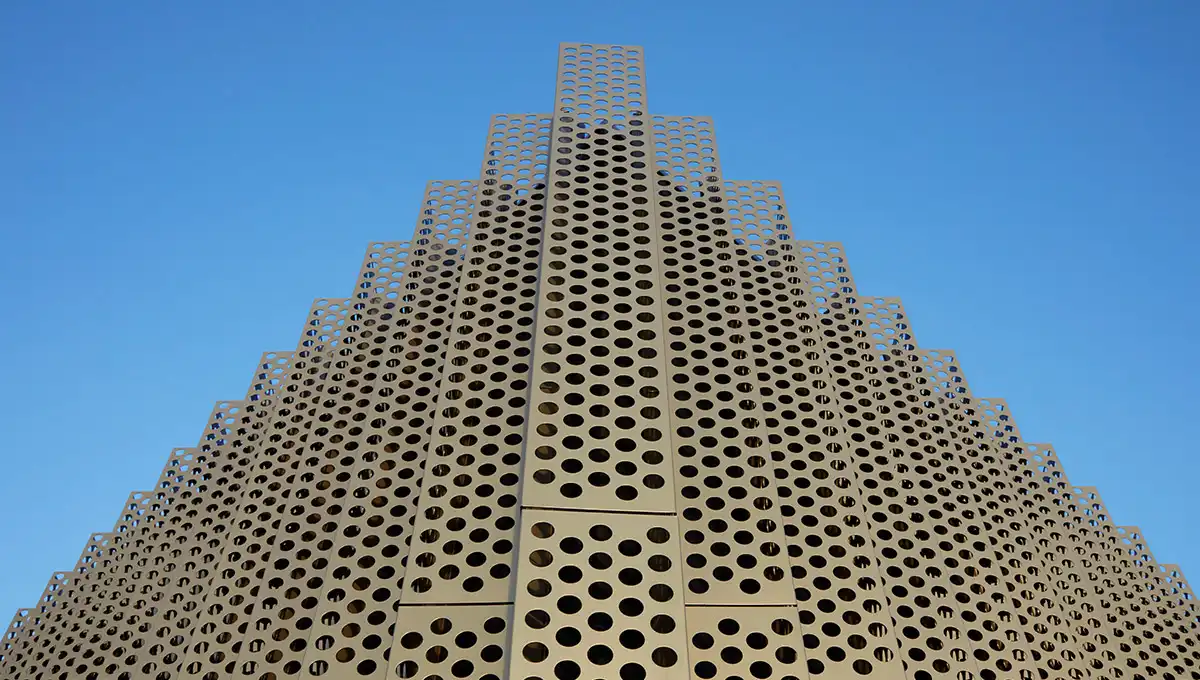
Top metal facade plans the contemporary facade is far more than a building’s exterior shell; it is a highly engineered environmental filter, a kinetic sculpture, and the primary regulator of a structure’s thermal and acoustic performance. Among the various cladding options available to the modern architect, metal systems stand at the vanguard of innovation due to their inherent durability, recyclability, and capacity for aesthetic precision. However, the transition from architectural concept to a resilient, high-performance exterior requires meticulous planning. The reliance on standardized installation methods often masks the nuance required to achieve true architectural longevity, leading to common oversights that compromise the building’s lifecycle.
To approach the design of a metallic exterior is to balance the rigorous demands of structural engineering with the nuances of material behavior. Whether utilizing titanium-zinc, anodized aluminum, weathered steel, or copper composites, the technical requirements for assembly, expansion, and moisture management remain paramount. Achieving a successful outcome demands a departure from simplified, trade-focused methodologies toward a holistic integration of design intent, environmental response, and long-term maintenance.
Understanding “top metal facade plans”
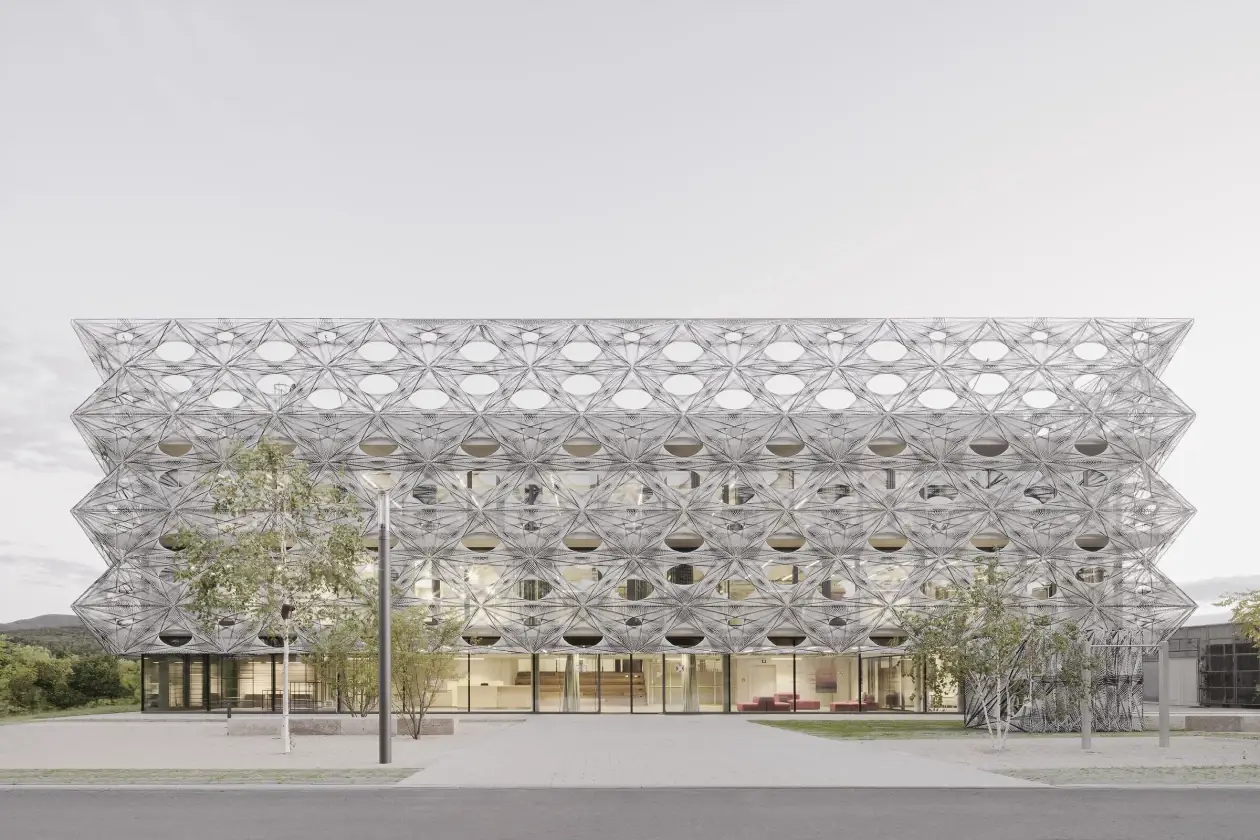
The industry often relies on a narrow definition of what constitutes effective planning for building skins. When professionals search for top metal facade plans, they frequently seek prescriptive templates—fixed geometries or assembly details that promise universal success. This represents a significant oversimplification. There is no singular “top” plan that guarantees success across diverse climates, structural contexts, and aesthetic requirements.
A common misunderstanding is the belief that the facade’s performance is defined solely by the material’s surface finish or color. While appearance is critical, the technical success of a metal facade is governed by the hidden assembly: the sub-frame, the insulation layer, the ventilation cavity, and the fastener spacing. If the underlying structural logic—the “plan” of how the facade behaves during a thermal event—is flawed, the surface quality becomes irrelevant within a few short years.
The Evolutionary History of Metallic Cladding
Top metal facade plans the trajectory of metallic cladding has moved from rigid, load-bearing plate systems to lightweight, high-performance rainscreen assemblies. In the mid-20th century, the rise of aluminum curtain wall technology prioritized standardization and speed. However, this period also introduced widespread issues concerning thermal bridging and condensation, as the industry struggled to reconcile the rigidity of metal with the necessity of an airtight, yet breathable, envelope.
Conceptual Frameworks for Facade Design
To effectively manage the design process, one should apply the following conceptual models:
-
The Thermal Bridge Mitigation Model: Every metallic fastener and structural tie is a potential point of energy leakage. This framework forces the designer to track the continuity of insulation across the entire facade assembly.
-
Kinetic Accommodator Logic: Metal moves. It expands and contracts with shifting ambient temperatures. This framework mandates that every junction, corner, and penetration be designed to accommodate movement without transferring stress to the building frame.
-
The Redundant Barrier Approach: Rather than relying on a single seal, this approach requires two distinct lines of defense—a primary screen and a secondary water-resistive barrier (WRB)—ensuring that no single component failure leads to catastrophic ingress.
Taxonomy of Metal Systems and Performance Trade-offs
Selecting the appropriate material requires balancing aesthetic goals with mechanical limitations.
The decision-making process should be hierarchical: first, assess the environmental exposure; second, determine the required thermal performance; third, select the material that aligns with these functional imperatives.
Analyzing Real-World Implementation Scenarios Top Metal Facade Plans
The High-Altitude Mountain Resort
-
Constraints: Extreme thermal swings (up to 40 degrees Celsius in a single day), high wind loads.
-
Failure Mode: Fastener fatigue due to rapid, repeated expansion/contraction.
-
Resolution: Implementing a floating panel system that uses slotted attachment points rather than rigid fasteners to allow for unrestricted movement.
The Coastal Commercial Center
-
Constraints: High salinity, airborne chlorides.
-
Failure Mode: Galvanic corrosion at junctions where different metals meet.
-
Resolution: Designing with specific dielectric separators (non-conductive spacers) at every mechanical connection to break the electrical circuit between dissimilar materials.
Dynamics of Resource Allocation and Lifecycle Costs
The economic burden of a facade is not solely front-loaded. It is a function of initial investment, energy efficiency, and long-term maintenance cycles.
Managers should consider the “cost of failure”—the cumulative expense of water damage, thermal loss, and facade repair—as a core component of their financial planning models.
Governance, Maintenance, and Adaptive Stewardship Top Metal Facade Plans
The longevity of a metallic facade is a direct output of its maintenance regime. A proactive governance plan includes:
-
Bi-annual Inspections: Focus on fastener tension, sealant integrity at transitions, and the clearing of weep-holes.
-
Corrosion Audits: Identifying early-stage chemical degradation or galvanic activity in non-visible connection points.
Debunking Architectural Myths and Oversimplifications
-
Myth: “Metal is maintenance-free.” Correction: Metal is durable, but it is not immune to environmental contamination or mechanical stress; it requires periodic cleaning and inspection.
-
Myth: “All fasteners are equal.” Correction: Selecting the wrong metallurgy for fasteners in relation to the facade panel can lead to rapid, invisible structural failure via corrosion.
-
Myth: “If the panel is watertight, the facade is safe.” Correction: A perfectly sealed facade is a trap for interstitial condensation; ventilation is the only effective way to prevent long-term moisture accumulation.
Conclusion Top Metal Facade Plans
The pursuit of architectural excellence through metallic skins is an exercise in technical discipline. Successful implementation relies on the designer’s ability to treat the facade not as a static shell, but as a dynamic assembly of materials with distinct physical properties and life-cycles. By focusing on the structural logic of joints, the precision of thermal management, and the necessity of long-term accessibility, professionals can move beyond the surface-level search for top metal facade plans and create environments that are genuinely resilient.